

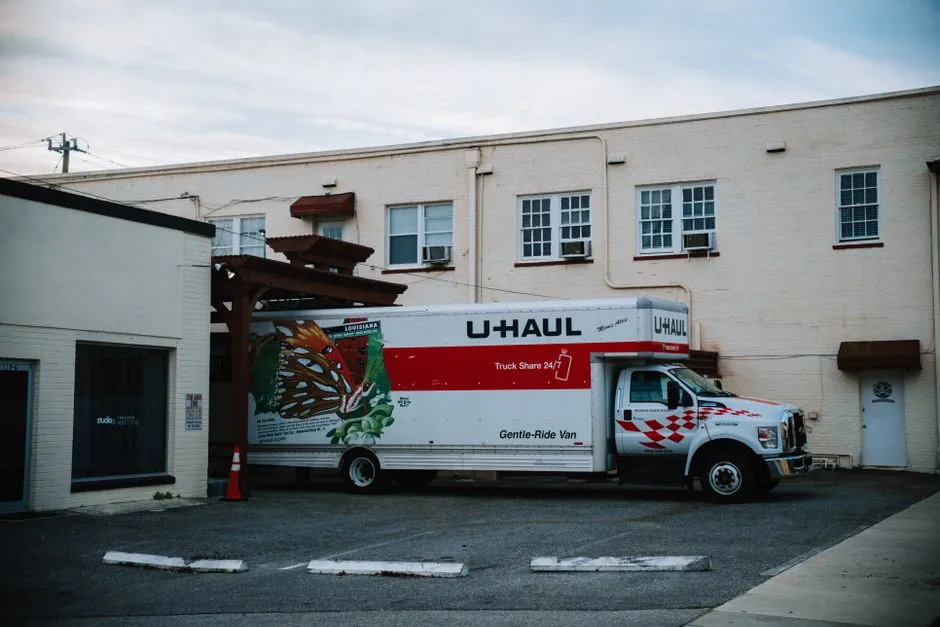
How to Pack a Moving Truck So Nothing Shifts or Breaks
Written by:
Impact Movers Team
Published:
September 14, 2026
Learn how to pack a moving truck so boxes and furniture stay put on the road. A load order and stacking method that prevents shifting and damage.
A truck packed in the wrong order is the single biggest reason boxes arrive crushed and furniture arrives scratched. Knowing how to pack a moving truck isn't about cramming in as much as possible. It's about building a load that doesn't move once the wheels start turning, because every hard brake and turn is trying to shift your stuff around back there.
What Order Should You Load a Moving Truck In?
Heavy, large furniture goes in first, against the cab wall, followed by mid-weight items, then boxes, with soft or fragile pieces loaded last so they sit on top and near the door. This order keeps weight low and centered, which stops the truck from swaying and stops anything from crushing what's underneath it.
Dressers, sofas, mattresses, and large appliances belong at the front of the truck, standing upright against the wall closest to the cab. That wall takes the brunt of hard braking, so heavy pieces need to lean into something solid rather than sliding forward into your boxes. Disassemble anything with legs or removable parts, like table legs and bed frames, before it goes in. Fewer protruding parts means fewer things that snap off in transit.
How Do You Stack Boxes in a Truck Without Crushing Them?
Stack boxes by weight, heaviest on the bottom and lightest on top, never the reverse, and keep each stack tight against the wall or the next stack so nothing has room to tip. A gap the width of your hand is enough for an entire column of boxes to lean and collapse over a three-hour drive.
Label boxes by weight before load day so you're not guessing at the truck. Books, tools, and dishware are your bottom layer. Linens, clothing, and lighter kitchen items go on top. Match box sizes when you stack; a small box on a large one has nothing supporting its edges and will fold under pressure. If you run out of same-size boxes, fill the gaps with soft items like pillows or rolled towels instead of leaving dead space.
Where Do Fragile and Specialty Items Go?
Fragile items and anything oddly shaped go last, loaded on top of the stable base you've already built, never on the floor of the truck where they'll take the full force of every bump. Mirrors, framed art, and glass tabletops should travel upright, not flat, wedged between soft furniture so they can't slide.
Some pieces don't fit the standard load order at all. Pianos, antiques, and large electronics need their own handling and often their own padding beyond what a normal move requires. If your move includes items like these, it's worth reviewing what our specialty moving services cover before load day, since these are the pieces most likely to get damaged by a rushed or improvised loading job. Furniture you've already decided to keep but haven't sorted from the pieces you're leaving behind should be settled well before load day; our guide on what to do with furniture you're not taking when you move walks through that decision so you're not making it in the driveway.
Securing the Load So Nothing Shifts on the Road
A load isn't finished until it's strapped down. Use moving straps or rope to tie furniture to the truck's built-in rails or D-rings every few feet, and fill remaining floor space with soft goods so there's no open pocket for anything to slide into.
Blankets and moving pads matter more than people expect. Wrap every wood surface, upholstered piece, and appliance edge before it touches another item. Two pieces of bare furniture rubbing against each other for a two-hour drive will scuff no matter how carefully you loaded them. If you're short on padding, towels and bedding you're already moving can double as cushioning between big pieces.
Once the truck is loaded, do a shake test before you close the door: push against the top layer of the load. If anything wobbles or shifts, it will move a lot more once the truck is actually moving.
Common Loading Mistakes That Cause Damage
Most truck damage comes from three repeatable mistakes: loading boxes before furniture, leaving open gaps instead of filling them, and skipping padding between hard surfaces. Each one seems minor at the time and turns into a real problem thirty minutes into the drive.
The other frequent mistake is misjudging truck size and overloading the back half to compensate. An unevenly loaded truck pulls to one side and makes braking less predictable, which puts everything inside at more risk, not less. If you're not confident about matching your inventory to a truck size, our team can walk through your load before moving day. You can also start planning your move and get a sense of timeline and cost with a free moving quote.
DIY Loading vs. Letting Movers Handle It
Loading a truck yourself saves money but takes real time, physical effort, and a plan you're confident in before the first box goes in. Professional movers load faster and more securely because they do it daily, but the tradeoff is cost, so the right choice depends on how much your time and your belongings' condition are worth to you.
If you're already comparing your options, it helps to look at what a full-service move actually includes versus doing the loading yourself with a rented truck. That comparison usually comes down to how much you're moving and how much risk you're willing to take on fragile or high-value pieces. Our full-service moving page breaks down what's included when our crew handles the loading for you.
However you load it, the goal is the same: low center of gravity, no gaps, everything padded and strapped. Get that right and the truck ride is the least eventful part of your move.
Frequently Asked Questions
How much weight can go on top of stacked boxes in a moving truck?
Keep weight decreasing as you go up. A sturdy bottom box built for heavy items can handle another full box on top, but once you're two or three layers up, stick to lightweight items like linens or lampshades so you're not putting pressure a box wasn't designed to hold.
Should mattresses be loaded flat or on their side in a moving truck?
On their side, secured against a wall with straps, is generally better for a moving truck. Mattresses laid flat take up floor space you need for heavier furniture and can develop pressure marks if boxes are stacked on them during transit.
Do I need a bigger truck if I'm not sure everything will fit?
Sizing up is usually the safer call. An overstuffed truck forces you to skip proper padding and stacking order, which is where most in-transit damage happens, while a slightly larger truck gives you room to load correctly.
What household items should never go in the moving truck?
Propane tanks, aerosol cans, paint, and other flammable or pressurized items shouldn't travel in a closed truck, especially in warm weather. Plan to transport these separately or dispose of them before moving day.
How long does it typically take to load a moving truck?
A two to three bedroom home usually takes two to four hours to load with a couple of people working steadily, longer if you're disassembling furniture or dealing with stairs. Building in extra time for padding and strapping is worth it.


Ready to Get Moving?
Planning your next move in Maryland? Our local team is ready to make moving day easier with reliable service and careful handling from start to finishGet in touch with Impact Movers today for a free estimate and let’s get your move started.